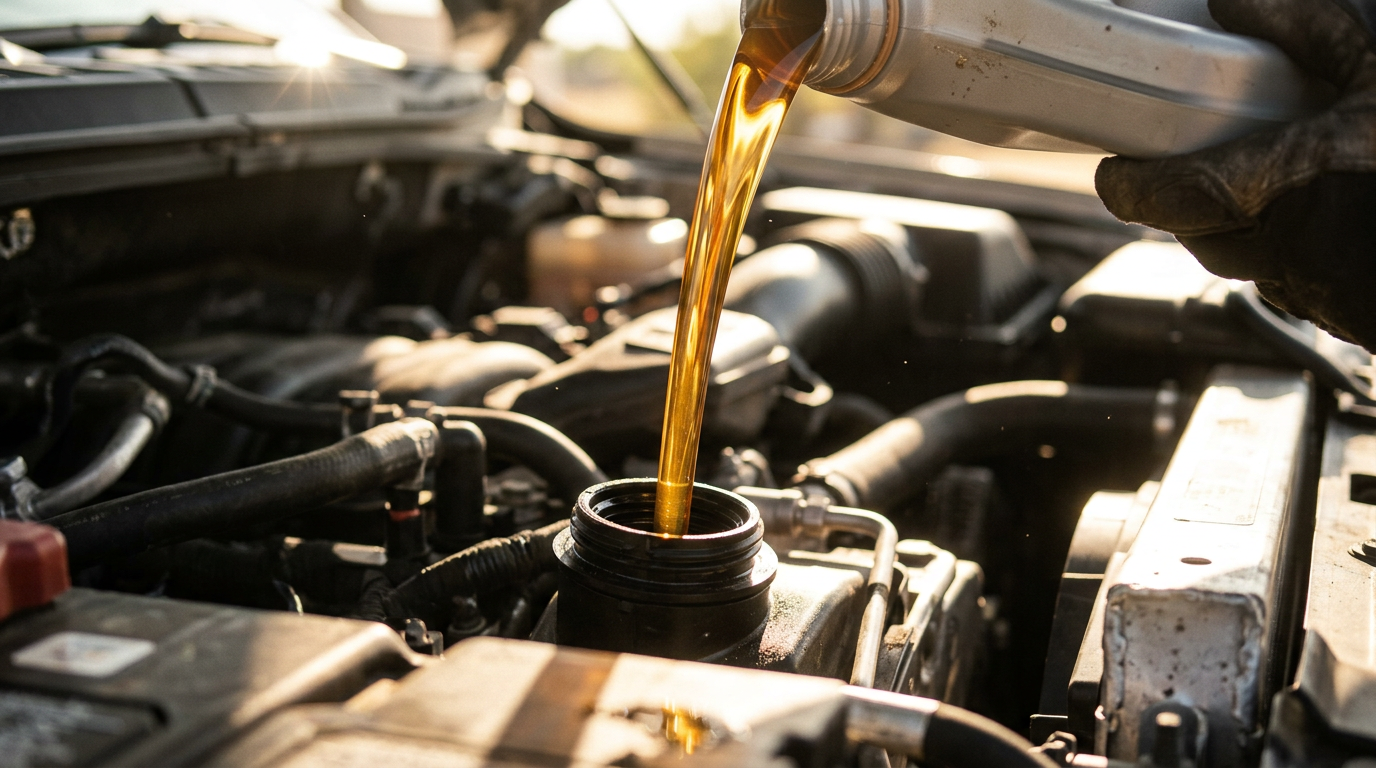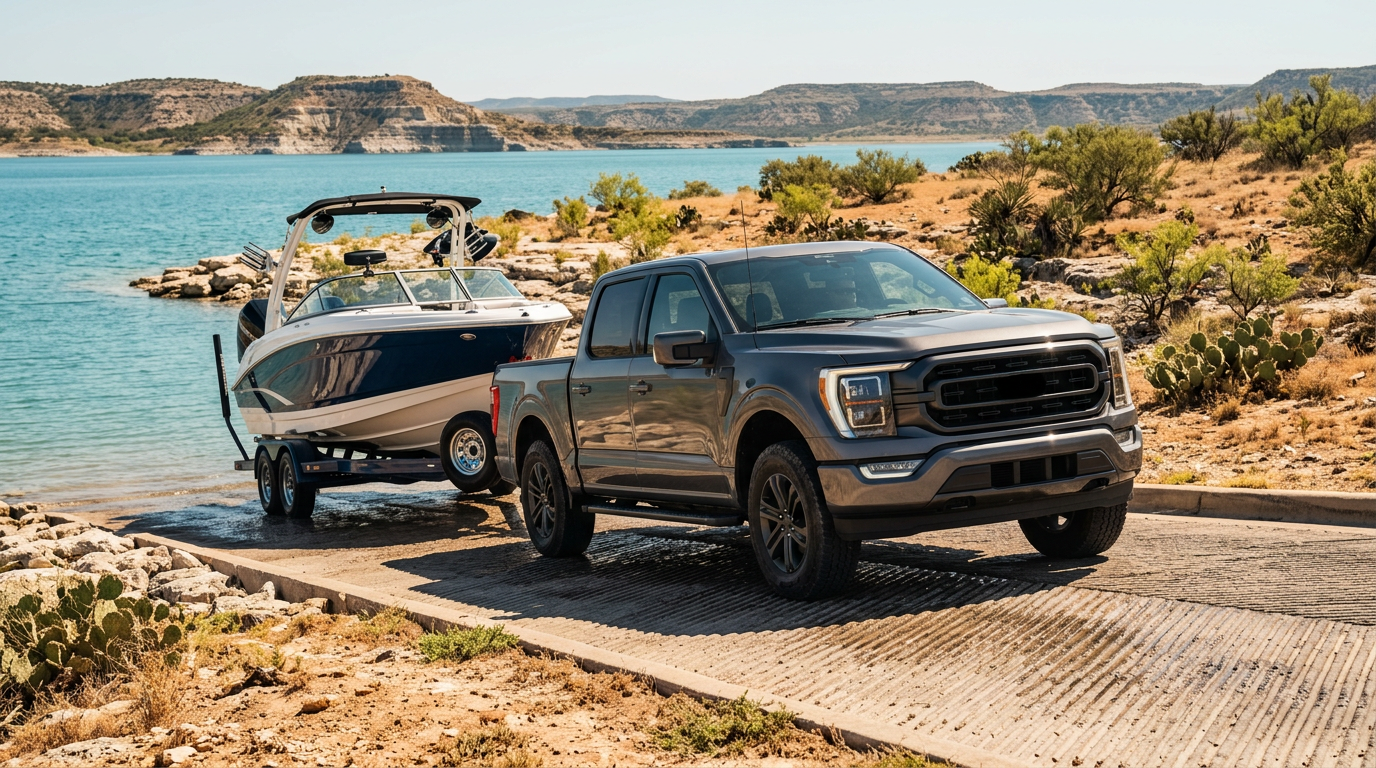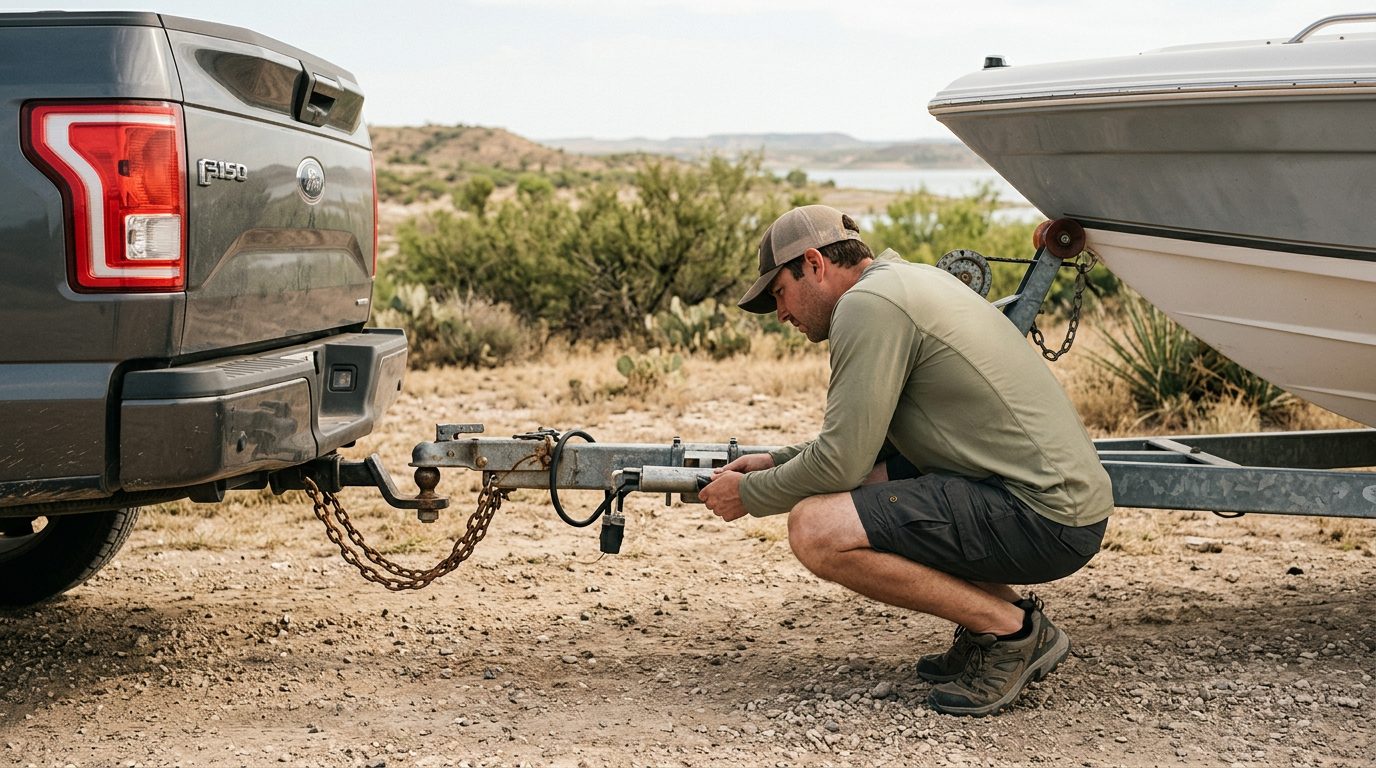
Why Is a Supplemental Transmission Cooler Recommended for Towing to Lake Amistad? A supplemental transmission cooler lowers fluid operating temperatures by up to 50 degrees Fahrenheit, preventing fluid oxidation and thermal breakdown while pulling heavy boat trailers in high summer heat. When hauling heavy loads up steep launch ramps around Lake Amistad, an auxiliary cooler protects internal clutches and valves from catastrophic thermal failure. As a Service Director with over a decade of hands-on experience in fixed operations, I see what heavy trailering does to stock automatic transmissions during South Texas summers. Automatic transmission fluid breaks down rapidly when temperatures exceed 220 degrees. Pulling a 5,000-lb pontoon or fiberglass bass boat against headwinds pushes factory fluid past its normal thermal limits. Installing a dedicated heat exchanger ensures your EcoBoost® engine and automatic transmission maintain safe operating hydraulic pressure under sustained load. Before hitching up for your next trip, check that your transmission fluid is clear red and free of a burnt odor. If you want our service team to test your cooling system pressure or inspect fluid condition, give us a quick call or stop by our Del Rio service center location on Veterans Blvd. Table of Contents What Towing Capacity Is Required to Safely Haul a Boat to Lake Amistad? What Are Texas Legal Trailer Brake Requirements When Towing a Boat? Surge Brakes vs. Electric-Over-Hydraulic Brakes: Which Is Best for Boat Trailers? Can You Tow a Heavy Boat Without a Factory Tow Package? Why Schedule a Professional Pre-Towing Inspection Before Your Boat Trip? What Towing Capacity Is Required to Safely Haul a Boat to Lake Amistad? Safely towing a boat requires a vehicle rated for at least 10% to 20% above the combined gross weight of the boat, trailer, fuel, and onboard equipment. Most medium-sized pontoon and fiberglass bass boats weigh between 3,500 lbs and 6,000 lbs fully loaded, requiring a tow vehicle with a minimum towing capacity of 6,000 lbs to 7,500 lbs to maintain steering control and braking stability. Calculating total weight requires accounting for more than dry hull figures on a spec sheet. Gasoline weighs roughly 6.1 lbs per gallon, and adding full fuel tanks, trolling batteries, fresh water, anchors, fishing gear, and coolers easily adds 500 lbs to 1,000 lbs beyond the base trailer weight. Tongue weight is another critical factor; your setup must maintain between 7% and 15% of the total loaded trailer weight on the hitch ball. Too little tongue weight triggers dangerous trailer sway at highway speeds, while excessive tongue weight overloads the rear axle and reduces front steering traction. The highway trip across Uvalde features rolling terrain that demands consistent engine torque and proper load distribution across every axle. Vehicles like the Ford F-150 offer up to 13,500 lbs of maximum towing capacity when properly equipped, providing plenty of reserve power and thermal safety margin for long lake trips. What Are Texas Legal Trailer Brake Requirements When Towing a Boat? Texas state law mandates independent braking systems on any trailer with a gross weight exceeding 4,500 lbs. Additionally, the trailer brake system must feature an automatic breakaway mechanism capable of applying the brakes and bringing the trailer to a complete stop if it detaches from the tow vehicle. Maintaining legal and functional trailer brakes is critical when hauling heavy watercraft on public roads. Under Texas regulations, passenger cars and light trucks towing trailers must also use two properly rated safety chains crossed beneath the trailer tongue. Crossing the chains creates a cradle that catches the coupler if it accidentally unlatches from the hitch ball. Before departing, visually inspect trailer brake shoes, drums, hydraulic lines, and electrical connections to ensure full operation. You can easily schedule a service appointment online to have our technicians inspect your brake linings, check hub seals, and test your trailer brake controller before heading out. Surge Brakes vs. Electric-Over-Hydraulic Brakes: Which Is Best for Boat Trailers? Electric-over-hydraulic (EOH) brakes provide superior stopping power, faster response times, and cab-controlled adjustment for heavy boat trailers, whereas mechanical surge brakes offer reliable, self-contained stopping power that requires no in-cab controller and withstands repeated water submersion during ramp launches. Surge brakes operate mechanically using the trailer's forward momentum against the hitch ball. When the tow vehicle slows, kinetic force compresses a hydraulic master cylinder inside the trailer tongue, pressurizing the brake lines to slow the trailer wheels. This self-contained design makes surge systems popular on light-to-medium boat trailers because there are no electric magnets inside the brake drums to short out when backing into water. However, surge brakes cannot be manually activated from the driver's seat and can delay response times on downhill grades. EOH systems pair an electric brake controller inside the vehicle cab with an onboard electric hydraulic pump mounted on the trailer frame. Pressing the vehicle brake pedal instantly signals the hydraulic pump to actuate heavy-duty disc brakes. EOH systems provide proportional stopping power and allow drivers to manually trigger trailer braking to control sway. For boat setups over 5,000 lbs, EOH brakes combined with an integrated Ford trailer brake controller deliver maximum safety and control. Can You Tow a Heavy Boat Without a Factory Tow Package? Towing a heavy boat without a factory tow package is possible only if you install properly rated aftermarket upgrades, including a Class III or Class IV hitch receiver, auxiliary transmission cooling, a multi-pin electrical harness, and a trailer brake controller. Factory tow packages bundle essential hardware engineered to handle heavy tongue weights and engine heat under continuous strain. Beyond a frame-mounted receiver hitch, factory-equipped trucks include upgraded engine cooling fans, heavy-duty radiators, transmission fluid heat exchangers, vehicle wiring harnesses, and recalibrated shift software. Attempting to pull a 5,000-lb boat on a standard bumper or light-duty vehicle without these cooling and electrical upgrades risks severe transmission overheating and brake fatigue. If your vehicle lacked a factory package from the line, installing an auxiliary transmission cooler and a heavy-duty wiring harness helps close the performance gap. Utilizing built-in tow features like Ford Tow/Haul mode changes transmission shift timing to hold lower gears longer on climbs and provide engine braking during steep descents, reducing heat buildup in your vehicle's service brakes. Why Schedule a Professional Pre-Towing Inspection Before Your Boat Trip? A professional pre-towing inspection identifies hidden safety hazards such as dry-rotted tire sidewalls, contaminated wheel bearing grease, oxidized brake fluid, and weak electrical grounds before they cause highway breakdowns or ramp failures. Boat trailers undergo severe wear cycles compared to standard utility trailers. Repeatedly backing hot wheel hubs into cold lake water creates a vacuum inside the hub cavity, drawing water past rubber grease seals. Over time, water contamination breaks down bearing grease, leading to bearing overheating, axle scoring, and catastrophic wheel detachment on the highway. Professional technicians remove hub dust caps, inspect grease condition, pack bearings with marine-grade grease, check tire pressure on all tires including the spare, and verify electrical continuity across all tail lights and brake circuits. Our technicians examine tow vehicle hitches, cooling systems, brake linings, and electrical connections to keep your trip safe and worry-free. If you want complete peace of mind before your next outing, give our team a quick call or get directions to our service department to schedule a comprehensive pre-towing check. © 2026 Cecil Atkission Ford Del Rio. All rights reserved.
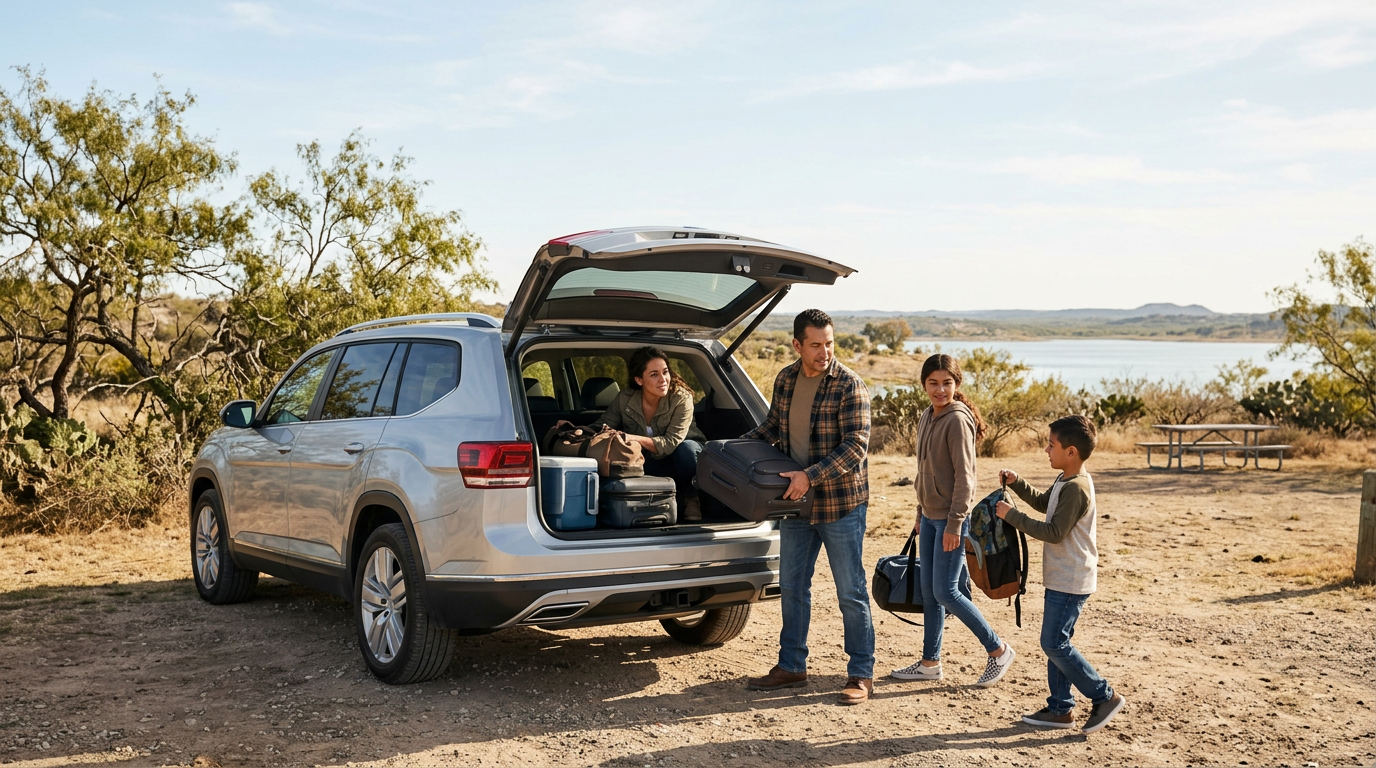
How to Choose a Used SUV That Balances Power, Space & Savings
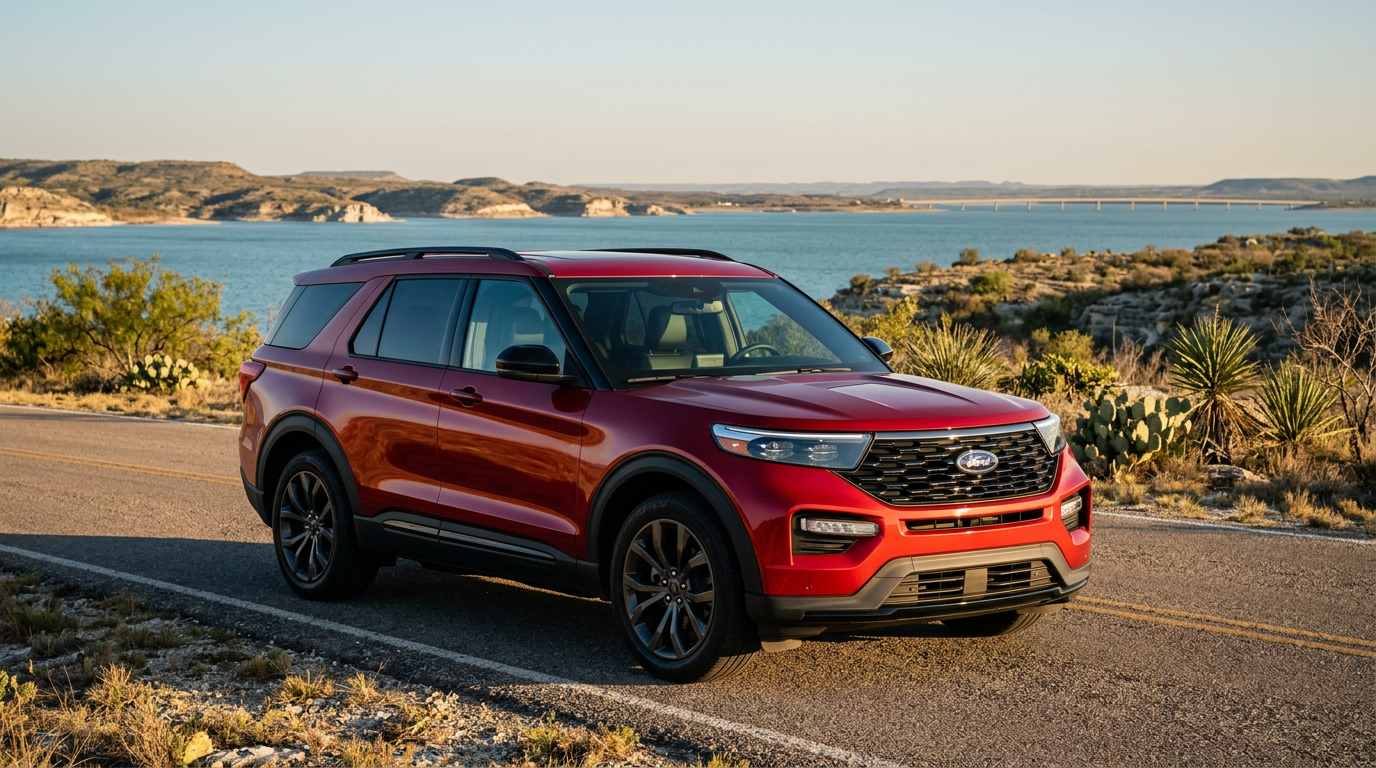
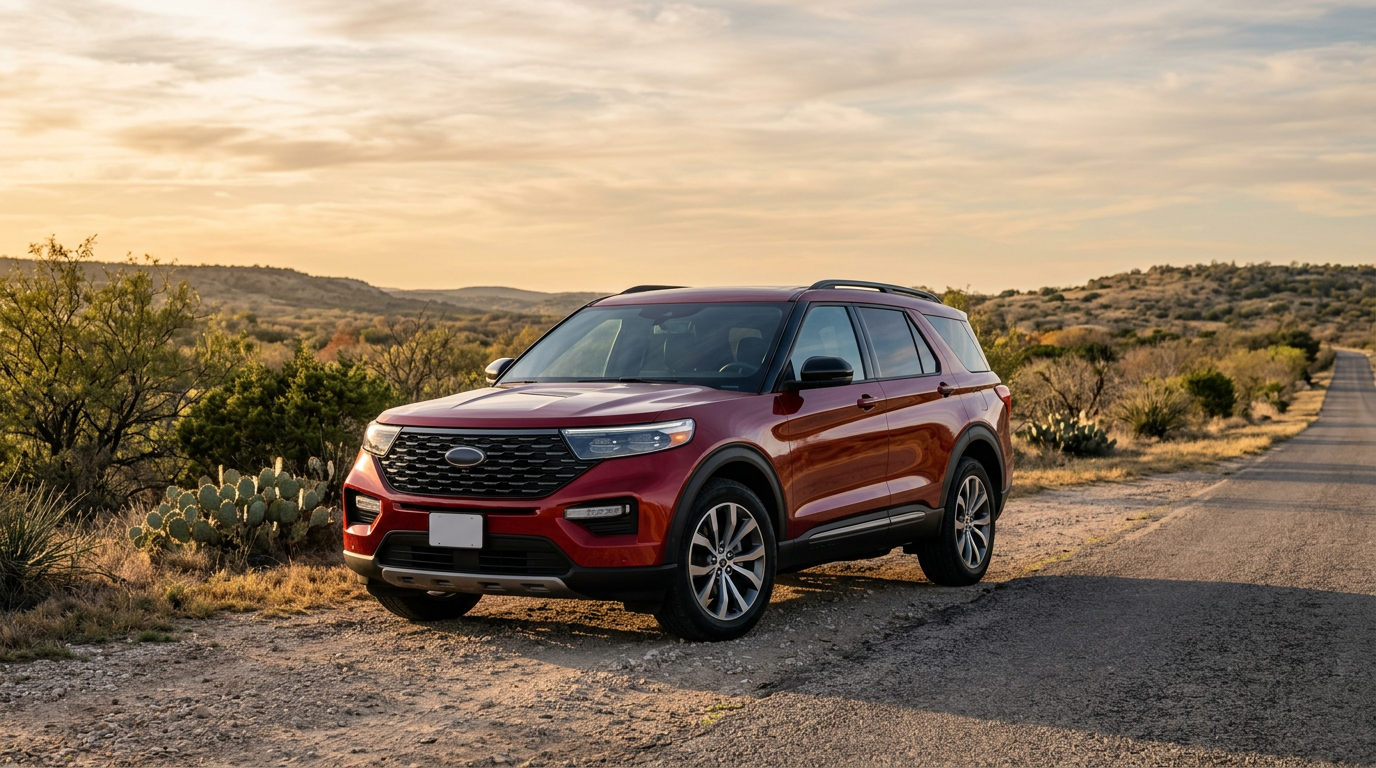
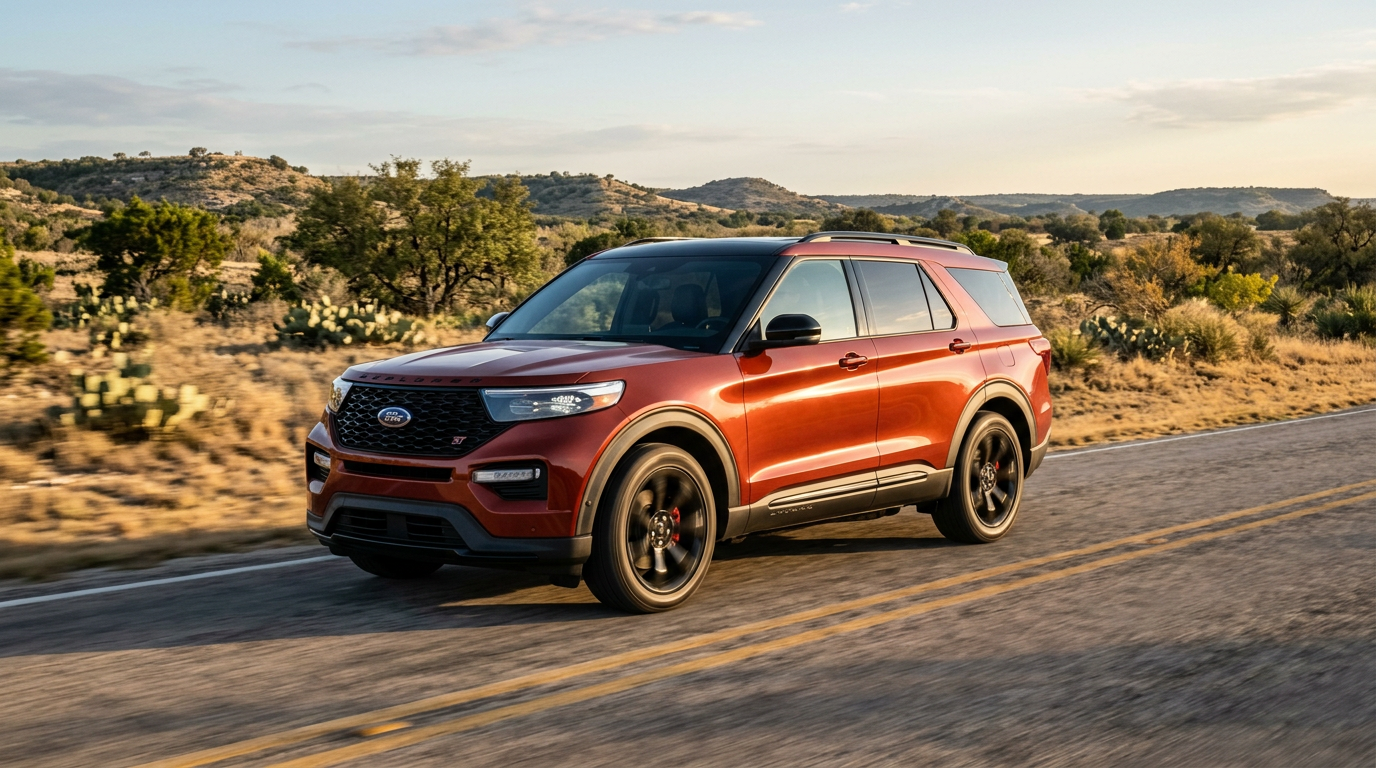
Finding the best fit depends on seating requirements, towing needs, and total ownership costs. A pre-owned Ford Explorer delivers maximum value for families needing three rows and up to 5,000 pounds of towing capacity. Buyers requiring maximum passenger seating or heavy trailer capability benefit from a full-size Ford Expedition, while full-size alternatives like the Chevrolet Suburban command higher upfront market prices. Choosing a pre-owned utility vehicle requires balancing immediate purchase pricing with long-term operational costs. Midsize three-row crossovers represent the sweet spot for many growing families. Vehicles in this class feature car-like unibody construction, providing balanced handling on highway commutes alongside sensible fuel economy. Pre-owned models equipped with a 2.3L EcoBoost four-cylinder engine deliver 300 hp while keeping weekly fuel expenditures manageable. For households managing larger families, frequent carpools, or heavy towing duties, full-size body-on-frame SUVs provide necessary muscle and interior volume. A full-size SUV utilizes a truck chassis designed to support heavy tongue weights and full passenger loads without straining mechanical components. While higher initial price points reflect these heavy-duty frames, the long-term durability pays dividends over years of ownership. Our team at Cecil Atkission Ford Del Rio helps buyers evaluate total value rather than just initial sticker prices. We provide complete vehicle reports and transparent pricing on every model on our lot. You can browse our pre-owned vehicle selection online, drop by our Del Rio location, or give our sales specialists a quick call at (830) 320-3106 to discuss current options reliable for your work and family life. Table of Contents Comparing Seating Capacity and Cargo Space: Explorer, Expedition, and Suburban Powertrains and Towing: Expedition EcoBoost V6 vs Suburban V8 Fuel Economy and Explorer Towing Packages Resale Value and Depreciation: Why Used Suburbans Cost More and How Service History Helps Exploring Used Family SUV Options on Our Del Rio Lot Common Buyer Questions About Used Family SUVs Test Drive Dependable Family SUVs at Cecil Atkission Ford Comparing Seating Capacity and Cargo Space: Explorer, Expedition, and Suburban The Ford Explorer seats up to seven passengers with 16 cubic feet of cargo space behind the third row, expanding to about 86 cubic feet with rear seats folded. The full-size Ford Expedition seats up to eight with roughly 21 cubic feet behind row three, while extended full-size models like the Chevrolet Suburban offer 41 cubic feet of rear storage with all seats upright. Interior layout determines how comfortably your vehicle handles daily routines and family road trips. The Ford Explorer provides flexible seating arrangements across its three rows. Base and mid-level trims typically feature a second-row bench seat for seven-passenger capacity. Higher trims offer second-row captain's chairs, reducing total seating to six while creating a center walkthrough corridor. This passage makes accessing the third row easier for children, even when child safety seats remain installed in row two. Cargo space behind the third row holds daily groceries or backpacks, while folding both rear rows flat creates a massive flat floor for hauling larger cargo. The full-size Ford Expedition increases cabin width and legroom significantly. Accommodating up to eight adult passengers across three spacious rows, the Expedition ensures third-row passengers enjoy legitimate legroom rather than tight emergency seating. Behind the third row, 21 cubic feet easily holds full-sized luggage for weekend getaways to Amistad Reservoir. For maximum space, extended-length body styles like the Expedition MAX expand total cargo volume up to 123 cubic feet behind the front seats, offering massive utility for family equipment. The Chevrolet Suburban sits at the top of the full-size footprint spectrum. As an extended-length full-size SUV, it provides 41 cubic feet of cargo room even with all three rows occupied by passengers. However, this extra space comes with a significantly larger overall footprint, making tight parking spaces and garage fitment more challenging compared to midsize options. Families weighing daily maneuverability against maximum cargo capacity frequently discover that the balanced dimensions of a Ford crossover or full-size SUV fit standard residential garages while fulfilling routine hauling demands. Shoppers interested in brand-new utility models can also explore our current new Expedition inventory to compare dimensions in person. Dimensions & Capacity Capacity and dimensions by trim Feature Active 4WD Active 4WD 100A Active RWD Active RWD 100A Platinum Platinum 4WD Seating 6 6 6 6 6 6 Cargo 16.3 cu ft 16.3 cu ft 16.3 cu ft 16.3 cu ft 16.3 cu ft 16.3 cu ft Curb weight 4,303 lbs 4,303 lbs 4,303 lbs 4,303 lbs 4,303 lbs 4,303 lbs Towing 5,000 lbs 5,000 lbs 5,000 lbs 5,000 lbs 5,000 lbs 5,000 lbs Payload 1,467 lbs 1,467 lbs 1,467 lbs 1,467 lbs 1,467 lbs 1,467 lbs Dimensions & Capacity (continued) Feature ST ST 4WD ST-LINE 4WD ST-LINE RWD Tremor 4WD Utility Police Interceptor 4x4 Seating 6 6 7 7 6 7 Cargo 16.3 cu ft 16.3 cu ft 16.3 cu ft 16.3 cu ft 16.3 cu ft 52.0 cu ft Curb weight 4,631 lbs 4,631 lbs 4,303 lbs 4,303 lbs 4,424 lbs 4,732 lbs Towing 5,000 lbs 5,000 lbs 5,000 lbs 5,000 lbs 5,000 lbs 3,500 lbs Payload 1,139 lbs 1,139 lbs 1,467 lbs 1,467 lbs 1,346 lbs 2,108 lbs Powertrains and Towing: Expedition EcoBoost V6 vs Suburban V8 Fuel Economy and Explorer Towing Packages The Ford Expedition twin-turbo EcoBoost V6 delivers up to 24 mpg highway while maintaining strong towing capabilities, outperforming traditional naturally aspirated V8 engines in the Chevrolet Suburban that generally average 1 to 2 mpg lower on highway routes. For midsize towing, a pre-owned Ford Explorer reaches its maximum 5,000-pound rating when equipped with the factory Class III Trailer Tow Package. Powertrain engineering directly impacts both fuel efficiency and pulling power. The Ford Expedition relies on a 3.5L EcoBoost V6 paired with a 10-speed SelectShift® automatic transmission. By utilizing twin turbochargers, this V6 generates strong low-end torque rivaling larger V8s while maintaining better efficiency when cruising unloaded. On open stretches connecting rural communities, the EcoBoost engine delivers smooth passing power and an EPA-estimated 16 mpg city / 24 mpg highway rating on rear-wheel-drive models. In contrast, the standard 5.3L V8 engine found in used Chevrolet Suburbans requires higher engine revolutions to reach peak torque, typically resulting in slightly lower highway fuel economy during long commutes. When properly configured, towing performance across these family SUVs easily supports recreation and work trailers: Ford Explorer: Standard 2.3L EcoBoost four-cylinder producing 300 hp and 310 lb-ft of torque, or available 3.0L EcoBoost V6 boasting 400 hp and 415 lb-ft of torque. Maximum towing reaches 5,000 pounds when configured with the factory-installed Class III Trailer Tow Package, which includes frame hitch wiring and enhanced engine cooling. Ford Expedition: Standard 3.5L EcoBoost V6 providing 380 hp to 400 hp and up to 480 lb-ft of torque. When equipped with the Heavy-Duty Trailer Tow Package, maximum towing capacity reaches up to 9,600 pounds on select Four-wheel drive configurations. Chevrolet Suburban: Standard 5.3L V8 or available 6.2L V8, offering towing ratings typically ranging between 7,500 pounds and 8,300 pounds depending on axle ratios and tow packages. For drivers navigating the rolling hills around Uvalde, having dedicated transmission cooling and trailer sway controls provides essential stability. Every modern Ford Explorer includes trailer sway control software that automatically adjusts engine torque and individual wheel braking if a towed load begins to oscillate. Families looking to upgrade to modern towing power can check out our latest new Explorer lineup to review current trailering tech. Engine & Performance Powertrain specs by trim Feature Active 4WD Active 4WD 100A Active RWD Active RWD 100A Platinum Platinum 4WD Engine 2.3L 2.3L 2.3L 2.3L 2.3L 2.3L Horsepower 300 hp 300 hp 300 hp 300 hp 300 hp 300 hp Torque 310 lb-ft 310 lb-ft 310 lb-ft 310 lb-ft 310 lb-ft 310 lb-ft Transmission SelectShift® SelectShift® SelectShift® SelectShift® SelectShift® SelectShift® Drivetrain Four-wheel drive Four-wheel drive Rear-wheel drive Rear-wheel drive Rear-wheel drive Four-wheel drive Engine & Performance (continued) Feature ST ST 4WD ST-LINE 4WD ST-LINE RWD Tremor 4WD Utility Police Interceptor 4x4 Engine 3L 3L 2.3L 2.3L 2.3L 3.3L Horsepower 400 hp 400 hp 300 hp 300 hp 300 hp 318 hp Torque 415 lb-ft 415 lb-ft 310 lb-ft 310 lb-ft 310 lb-ft 260 lb-ft Transmission SelectShift® SelectShift® SelectShift® SelectShift® SelectShift® SelectShift Drivetrain Rear-wheel drive Four-wheel drive Four-wheel drive Rear-wheel drive Four-wheel drive Four-wheel drive Fuel Economy Fuel economy and range by trim Trim MPG Active 4WD 20 city / 27 hwy / 23 combined Active 4WD 100A 20 city / 27 hwy / 23 combined Active RWD 20 city / 29 hwy / 24 combined Active RWD 100A 20 city / 29 hwy / 24 combined Platinum 20 city / 29 hwy / 24 combined Platinum 4WD 20 city / 27 hwy / 23 combined ST 18 city / 25 hwy / 21 combined ST 4WD 18 city / 25 hwy / 20 combined ST-LINE 4WD 20 city / 27 hwy / 23 combined ST-LINE RWD 20 city / 29 hwy / 24 combined Tremor 4WD 19 city / 23 hwy / 21 combined Utility Police Interceptor 4x4 — Resale Value and Depreciation: Why Used Suburbans Cost More and How Service History Helps Used Chevrolet Suburbans cost significantly more than midsize options like the Ford Explorer because full-size truck-based SUVs carry higher initial manufacturing costs, standard V8 engines, and heavy-duty frame architecture that retains residual value longer. Regardless of model, a fully documented service history increases any used SUV's resale value by several hundred to a few thousand dollars by verifying consistent powertrain maintenance. Market valuation for pre-owned SUVs follows distinct depreciation curves based on vehicle size and chassis design. Full-size body-on-frame models like the Chevrolet Suburban and Ford Expedition experience slower percentage depreciation after their first three years on the road. Strong demand for heavy-duty towing capacity, eight-passenger seating, and durable truck components keeps secondary market prices elevated. A pre-owned Suburban commands a higher price tag largely because its original manufacturing sticker price was substantially higher than that of a midsize crossover. Midsize crossover SUVs like the Ford Explorer follow standard passenger-vehicle depreciation rates. This structure creates outstanding value opportunities for pre-owned buyers. A three-year-old Ford Explorer offers modern safety features, comfortable three-row seating, and strong EcoBoost performance at a fraction of the cost of a full-size vehicle. Families seeking dependable transportation without full-size purchase prices find that pre-owned midsize crossovers offer optimal capability for daily driving budgets. Regardless of vehicle size, documented maintenance history serves as the single most critical factor in protecting resale value and trade-in appraisals: Powertrain Longevity: Regular oil changes using proper viscosity grades prevent premature wear on turbochargers and variable valve timing components. Transmission Reliability: Documented fluid flushes ensure smooth shifting performance from modern multi-speed automatic transmissions. Brake and Suspension Care: Service records proving routine brake pad replacement and suspension inspections give secondary buyers confidence that critical safety systems are maintained. Appraisal Proof: A complete service log eliminates guesswork during trade-in evaluations, allowing appraisers to offer top-tier market value. When you bring your current vehicle to our dealership, our valuation specialists consider documented maintenance records to provide an honest, aggressive trade-in offer. You can value your trade-in online before visiting, and keep your current vehicle running strong by checking view service and parts specials for routine maintenance. Pricing Pricing by trim Trim Base MSRP Destination charge Active 4WD $42,585 $1,795 Active 4WD 100A $40,465 $1,795 Active RWD $40,585 $1,795 Active RWD 100A $38,465 $1,795 Platinum $50,965 $1,795 Platinum 4WD $52,965 $1,795 ST $54,905 $1,795 ST 4WD $56,905 $1,795 ST-LINE 4WD $47,155 $1,795 ST-LINE RWD $45,155 $1,795 Tremor 4WD $48,965 $1,795 Utility Police Interceptor 4x4 $48,550 $1,695 Exploring Used Family SUV Options on Our Del Rio Lot Our pre-owned inventory features a practical mix of seating arrangements, mileage bands, and vehicle classes designed for daily driving and highway travel. Highlights on our lot include compact and midsize options like a pre-owned 2026 Hyundai Tucson SEL with 2,900 miles and five-passenger seating, alongside versatile three-row options like the Ford Explorer and full-size Ford Expedition. Families visiting our lot discover vehicles reliable for work and weekend life. For commuters needing maximum fuel efficiency and straightforward five-passenger capability, compact models offer impressive value. A pre-owned 2026 Hyundai Tucson SEL with a 2.5L four-cylinder engine delivering 187 hp paired with an 8-Speed Automatic with SHIFTRONIC transmission provides up to 28 mpg combined efficiency. Equipped with heated front seats, dual-zone automatic temperature control, and modern driver-assist safety systems, low-mileage crossovers offer dependable transportation for small families. For larger households requiring extra seats and towing capability, our selection of pre-owned Ford Explorer models provides midsize efficiency with standard three-row flexibility. Buyers seeking maximum cabin room can step up to full-size Ford Expedition models equipped with SelectShift automatic transmissions and Four-wheel drive capability. Our team inspects every pre-owned vehicle thoroughly to ensure mechanical reliability, clear vehicle history, and transparent pricing. Inventory turns over quickly based on local demand, so confirming current vehicle availability with our team ensures you find the exact seating and mileage combination your family needs. Common Buyer Questions About Used Family SUVs Q: How does documented service history affect a used SUV's trade-in offer? A complete, documented service history directly increases a used SUV's trade-in value by proving proper maintenance of critical engine and transmission components. Clean records eliminate uncertainty regarding fluid changes, brake wear, and mechanical care, allowing vehicle appraisers to offer top-tier trade-in values. Vehicles missing service documentation often face lower valuation offers to account for potential deferred maintenance risks. Q: Does the Ford Explorer offer second-row captain's chairs? Yes, second-row captain's chairs are standard or available on most mid-to-upper Ford Explorer trim levels. Choosing captain's chairs adjusts total seating capacity from seven passengers down to six. This configuration creates a convenient center walkthrough aisle, allowing children and adult passengers to access the third row easily without folding down second-row seats. Q: What package is required to achieve maximum towing capacity on a used Ford Explorer? Achieving the maximum 5,000-pound towing capacity on a Ford Explorer requires the factory Class III Trailer Tow Package. This package equips the vehicle with a frame-mounted hitch receiver, 4-pin and 7-pin trailer wiring harnesses, and upgraded engine cooling components. Unequipped models without factory tow prep carry significantly lower towing limits. Q: Why do used Chevrolet Suburbans carry higher price tags than used Ford Explorers? Used Chevrolet Suburbans cost more because they are full-size, body-on-frame SUVs built on truck chassis with standard V8 power and seating for up to nine passengers. Their higher initial manufacturing cost, heavy towing capability, and slow depreciation rates keep secondary market prices higher than midsize unibody crossovers like the Ford Explorer. Q: What options are available if I want to trade in my current vehicle toward a used family SUV? Our dealership accepts trade-ins of all makes and models to help offset your purchase price. Our finance specialists can help you review current payment options tailored to your household budget. You can explore our new Ford selection or pre-qualify through our finance center to streamline your buying experience. Test Drive Dependable Family SUVs at Cecil Atkission Ford Finding the right pre-owned family SUV comes down to practical capability, reliable performance, and transparent value. Whether you need the agile three-row versatility of a Ford Explorer, the expansive cabin and heavy towing strength of a Ford Expedition, or a low-mileage five-passenger crossover, our team is ready to guide you through every step. Visit Cecil Atkission Ford Del Rio today to explore our pre-owned lot and experience Ford reliability firsthand. Our sales team provides straightforward answers and a no-pressure environment dedicated to helping your family find the ideal vehicle. Stop by 2700 Veterans Blvd, Del Rio, TX 78840 for a test drive, or give us a quick call at (830) 320-3106 to discuss current inventory and schedule your visit today. Keep Your Vehicle Running Strong Keep your vehicle performing at its best with our service team: Schedule Service © 2026 Cecil Atkission Ford Del Rio. All rights reserved. Vehicle specification data © JATO Dynamics Limited.